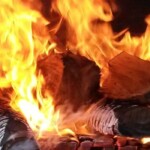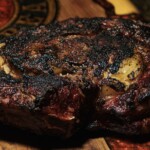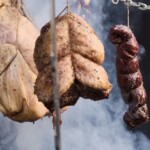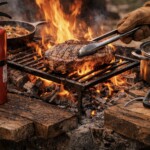

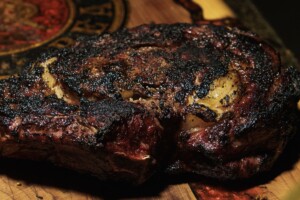
In live fire cooking, fat is often treated as a problem to avoid or even an enemy to control. In reality, fat is a structural component of flavor and texture, and one of the clearest indicators of technical maturity. When rendered properly, fat delivers moisture, mouthfeel, and depth. When rushed, it creates flare-ups, bitterness, and greasy, unpleasant food. The difference […]
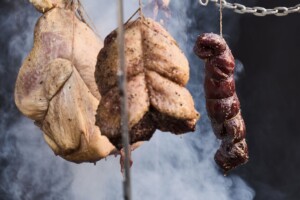
Smoke is often treated as a shortcut to flavor, when in reality, it is one of the most misused and misunderstood elements in live fire cooking. When applied with knowledge and restraint, smoke adds depth, aroma, and complexity that no other technique can replicate. When applied indiscriminately, it overwhelms food, masks flaws, and leaves bitterness behind. Understanding smoke is not […]
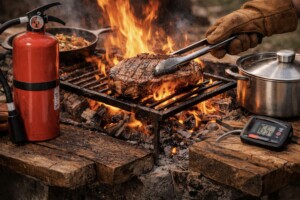
Live fire cooking is unforgiving. Fire does not negotiate. When treated casually, it can become dangerous – to cooks, to guests, and to the credibility of the craft itself. But when treated with discipline, it becomes one of the most precise and expressive tools in cooking. Safety is not a constraint on creativity: It is the foundation that makes serious […]
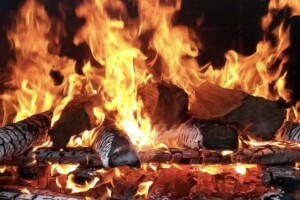
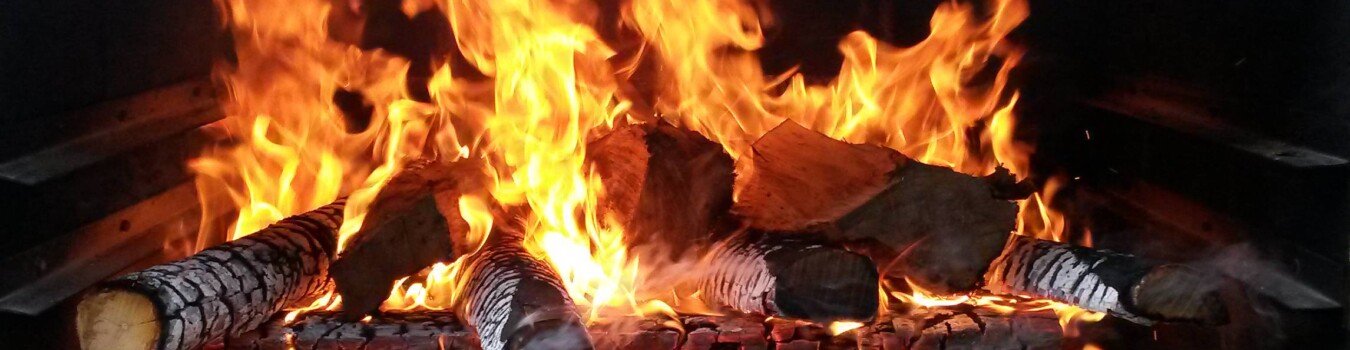
Live fire cooking begins long before food touches the grill, it begins with fire management: While recipes change and techniques evolve, the ability to control heat – its intensity, location, and duration – remains the defining skill of any competent live fire cook. Without it, even the best ingredients and intentions fall apart. Heat zones, fuel choice, and control are […]
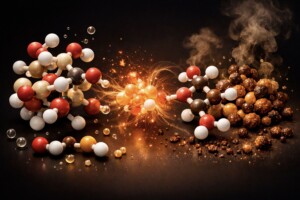
Few processes in cooking matter as much (or are misunderstood as often) as the Maillard reaction. Described for the first time in 1912 by French chemist Louis Camille Maillard, it is responsible for the deep aromas of grilled meat, the crust on bread, the savory notes of roasted vegetables, and the complexity that defines great live fire cooking. What Is the […]
Please wait...