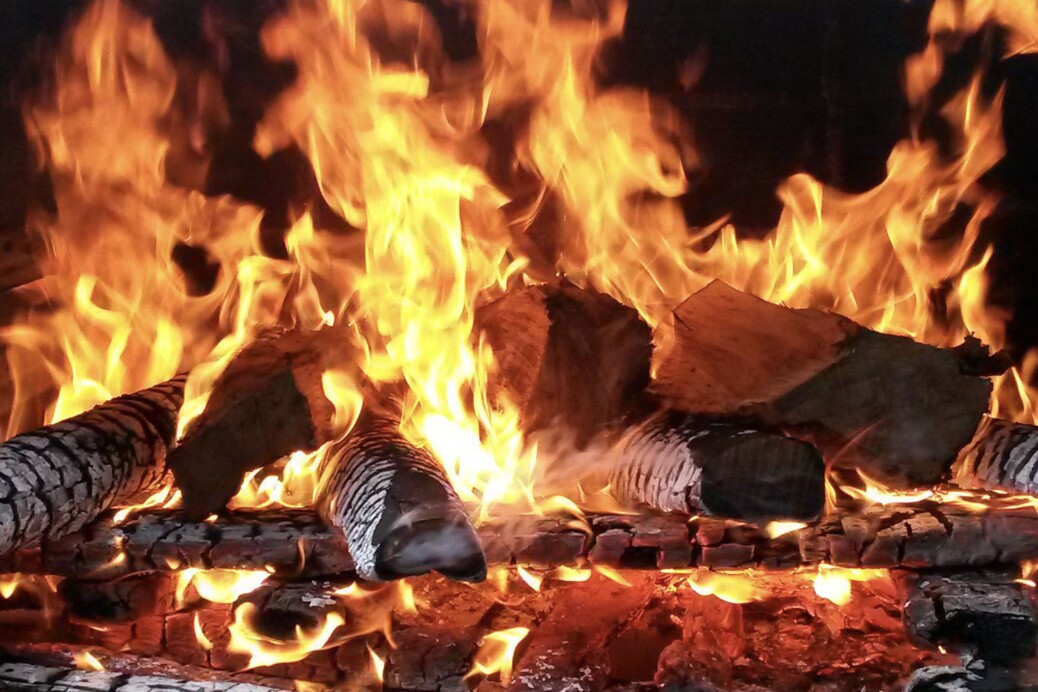
Live fire cooking begins long before food touches the grill, it begins with fire management: While recipes change and techniques evolve, the ability to control heat – its intensity, location, and duration – remains the defining skill of any competent live fire cook. Without it, even the best ingredients and intentions fall apart. Heat zones, fuel choice, and control are the pillars that turn fire from chaos into a precise cooking tool.
Fire is not Temperature
One of the most common misconceptions in live fire cooking is reducing fire to a single number. While thermometers are extremely useful, fire cannot be understood through temperature alone. Fire delivers heat in multiple ways:
- Radiant heat (from glowing coals or flames)
- Convective heat (from hot air movement)
- Conductive heat (through grates, pans, or surfaces)
Managing fire means managing where these forces are strongest and how food is exposed to them over time, which is why experienced cooks talk about zones, distance, and positioning. Not just degrees.
Understanding Heat Zones
A well-managed fire always has multiple heat zones. Even on the simplest grill, these zones have to be intentional, not accidental.
Direct Heat Zone
This is where food is exposed directly to flames or glowing coals. It delivers intense radiant heat and is ideal for:
- Searing
- Crisping skin
- Developing Maillard reaction
Used incorrectly, it burns food quickly.
Indirect Heat Zone
This zone relies on reflected and convective heat rather than direct flame contact. It allows food to cook more gently and evenly, making it suitable for:
- Larger cuts
- Poultry
- Controlled finishing after searing
Most successful live fire cooks spend more time managing indirect heat than chasing flames.
Resting / Holding Zone
Often overlooked, this lower-heat area allows food to:
- Stabilize internal temperature
- Render gently
- Avoid overcooking while waiting for service
Great cooks always know where this zone is even when it’s improvised.
Fuel Choice: Not All Fire Is the Same
The fuel you choose defines how fire behaves. It affects heat stability, flavor contribution, and how much attention the fire demands.
Charcoal (Lump)
- Burns hot and clean when properly lit
- Produces minimal smoke
- Offers consistent radiant heat
Ideal for controlled searing and zone-based cooking.
Briquettes
- More uniform burn
- Lower peak heat
- Often contain binders and fillers
Useful for longer, steadier cooks but less responsive.
Wood
- Adds flavor as well as heat
- Burns unevenly
- Requires active management
Wood is powerful, but unforgiving. It rewards attentiveness and punishes neglect.
Mixed Fires
Many experienced cooks combine charcoal for stability with wood for flavor. This hybrid approach offers control without sacrificing character.
Fire Is Built, Not Lit
Fire management starts at ignition.
Rushing the lighting phase creates:
- Incomplete combustion
- Dirty smoke
- Unstable heat
A properly built fire is allowed to:
- Ignite fully
- Burn past heavy smoke
- Establish a bed of embers
Only then does it become a reliable cooking environment. This patience upfront saves mistakes later.
Control Comes From Distance and Time
Unlike gas or electric cooking, live fire offers no dial. Control comes from positioning, not adjustment.
You control heat by:
- Raising or lowering food
- Moving it closer to or further from coals
- Shifting between zones
- Adjusting airflow
Time is the second control lever. Fire reacts slowly to changes, and good cooks anticipate rather than react. This is why calm, deliberate movement is a hallmark of skilled live fire cooking.
Managing Flare-Ups Without Panic
Flare-ups are not failures. They are signals and they usually occur when:
- Fat drips onto open flames
- Food is placed too close to fresh fuel
- Heat zones are poorly defined
The solution is almost never “more fire.” It is repositioning, patience, and letting flames subside naturally.
Chasing flare-ups with frantic movement often makes things worse.
Why Fire Management Defines Craft
Anyone can light a fire. Few can use it deliberately.
Fire management:
- Enables Maillard development without burning
- Preserves moisture while building flavor
- Creates repeatable results
- Keeps cooks and guests safe
It is the difference between cooking with fire and cooking around it.
Fire management should not be considered an advanced topic: It is the very foundation upon which everything else is built, from education and competitions to safety standards and mentorship.
Live fire cooking rewards those who slow down, observe, and adapt. Mastery does not come from dominating fire, but from understanding it.
When heat is controlled, fire becomes precise.
When fire becomes precise, cooking becomes intentional.
And that is where craft begins.
